.svg)

New Reviews Confirm: Older Adults Face Outsized Risks from Climate Change
Two major scientific reviews paint a clear picture — and point toward solutions.
Key Points
- Older adults account for the vast majority of deaths during extreme heat events.
- Climate change threatens older adults through multiple pathways, from heat and air pollution to flooding, infectious disease, and mental health.
- Vulnerability is shaped not just by age, but by income, housing, race, and social connection.
Key Points
- Research what potential hazards may occur in your community.
- Sign up for your county’s emergency alert system.
- Use the questionnaires below to identify your needs during a disaster.
Tools
- Research what potential hazards may occur in your community.
- Sign up for your county’s emergency alert system.
If you've been paying attention to the news about climate change, you know that rising temperatures and extreme weather are affecting communities everywhere. But two major scientific reviews published recently make clear what clinicians have suspected for some time: when it comes to climate change, older adults bear a disproportionate share of the burden.
The first review, published in the Journal of Global Health, assessed evidence on how a wide range of climate hazards affect older people's health and their ability to age well. These hazards include extreme heat and wildfires, as well as drought, flooding, and infectious disease. The second review, published in Advances in Human Biology, took a broader look at the physical health, mental health, and social impacts of climate.
How the Studies Were Done
Both reviews are what scientists call "scoping reviews," a rigorous method for surveying the full landscape of research on a topic. Rather than looking at a single study, scoping reviews systematically search multiple scientific databases, screen thousands of articles, and synthesize findings across many studies conducted in different countries and settings. The Journal of Global Health review screened more than 2,500 articles before selecting those most relevant to older adults and climate change. The Advances in Human Biology review followed a similar process, ultimately drawing on 48 carefully selected studies. This kind of comprehensive, systematic approach gives researchers and readers greater confidence that the conclusions reflect the full weight of available evidence, rather than the findings of any single study.
Together, they send an unmistakable and urgent message:
Heat Is the Biggest Threat, But Not the Only One
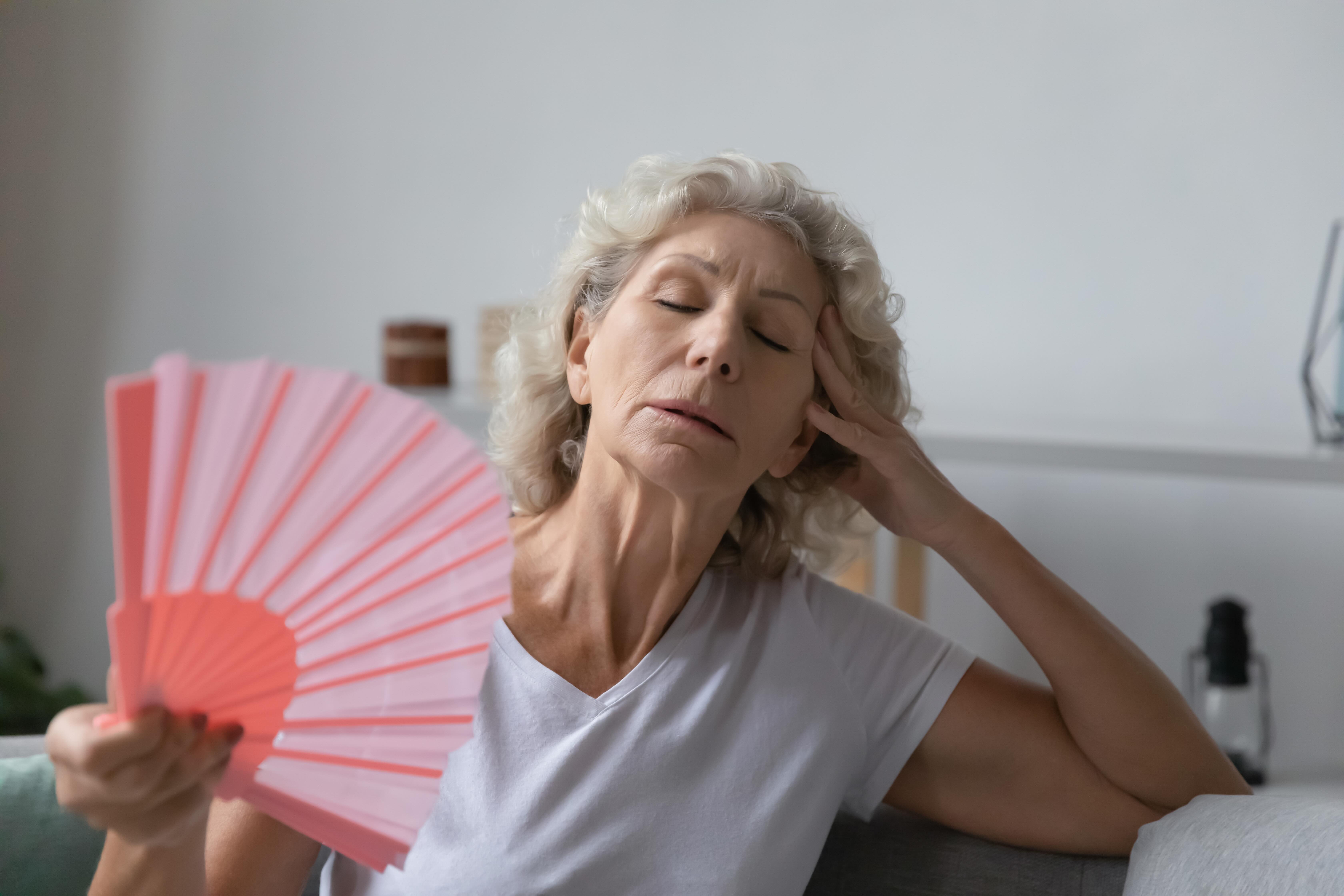
Both reviews identify extreme heat as the best-documented climate threat to older adults. Older people account for the large majority of deaths during heat waves, a pattern seen across countries and over decades. The reason comes down to biology: as we age, our bodies become less efficient at regulating temperature, we sweat less, and our cardiovascular systems are less able to handle the extra strain that heat places on the heart.
But extreme heat is far from the only concern. Older adults face heightened risks from wildfire smoke, which worsens respiratory conditions like asthma and COPD. Flooding and storms can be directly deadly, and they also increase the risk of infectious disease and cause lasting psychological harm. Climate change is also expanding the range of vector-borne diseases like dengue and Lyme disease, which older adults tend to experience more severely.
Food and water insecurity are growing concerns as well, particularly in low-income countries. Dehydration alone is associated with serious health outcomes in older adults, which can result from climate-related water shortages.
It's Not Just Physical
Both reviews give significant attention to the mental health toll of climate change on older people, an area that has historically been understudied. Floods, hurricanes, and wildfires are linked to higher rates of PTSD and depression among older adults than among younger people, particularly when displacement is prolonged. Some researchers use the term solastalgia to describe what many older adults feel as they watch familiar landscapes change or disappear. It refers to a sense of grief and distress tied to the loss or transformation of one's home environment.
Extreme heat also contributes to social isolation, since very hot days often force people to stay indoors, cutting off the social connections that are vital to wellbeing.
Not Everyone Faces Equal Risk
A key insight from both reviews is that vulnerability is not simply a matter of age. Older adults with lower incomes, inadequate housing, limited transportation, or less access to health care face compounded risks. Racial and ethnic disparities are well-documented: in the United States, older adults from minority communities are more likely to live in neighborhoods with greater heat exposure, more air pollution, and fewer green spaces. The climate crisis, both reviews conclude, amplifies existing inequalities.
What Needs to Happen
Both research teams call for urgent action, including better heat early warning systems targeted to older adults, investments in cooling infrastructure and affordable air conditioning, stronger healthcare preparedness, and policies that prioritize the most vulnerable communities. They also highlight how important it is to involve older adults themselves in designing these solutions, as participants, advocates, and leaders.
To learn more about how climate change affects older adults' health, and what you can do to prepare and get involved, please visit our website.