.svg)

Older Immigrants and Extreme Weather: A Double Vulnerability
Key Points
- Older immigrants face compounding climate risks when extreme weather rolls around.
- Eligibility restrictions, inaccessible services, and fear of immigration enforcement keep many older immigrants from getting help during emergencies.
- Mutual aid networks and institutional change can reduce older immigrants’ vulnerability to extreme weather.
Key Points
- Research what potential hazards may occur in your community.
- Sign up for your county’s emergency alert system.
- Use the questionnaires below to identify your needs during a disaster.
Tools
- Research what potential hazards may occur in your community.
- Sign up for your county’s emergency alert system.
In the United States, extreme weather is dangerous for older adults, and for older immigrants the risks multiply. On top of the physical vulnerabilities that come with age, they must navigate governmental and cultural systems that are ill-equipped to serve them. These challenges are especially clear in three areas: working conditions, language barriers, and access to healthcare.
Line of work
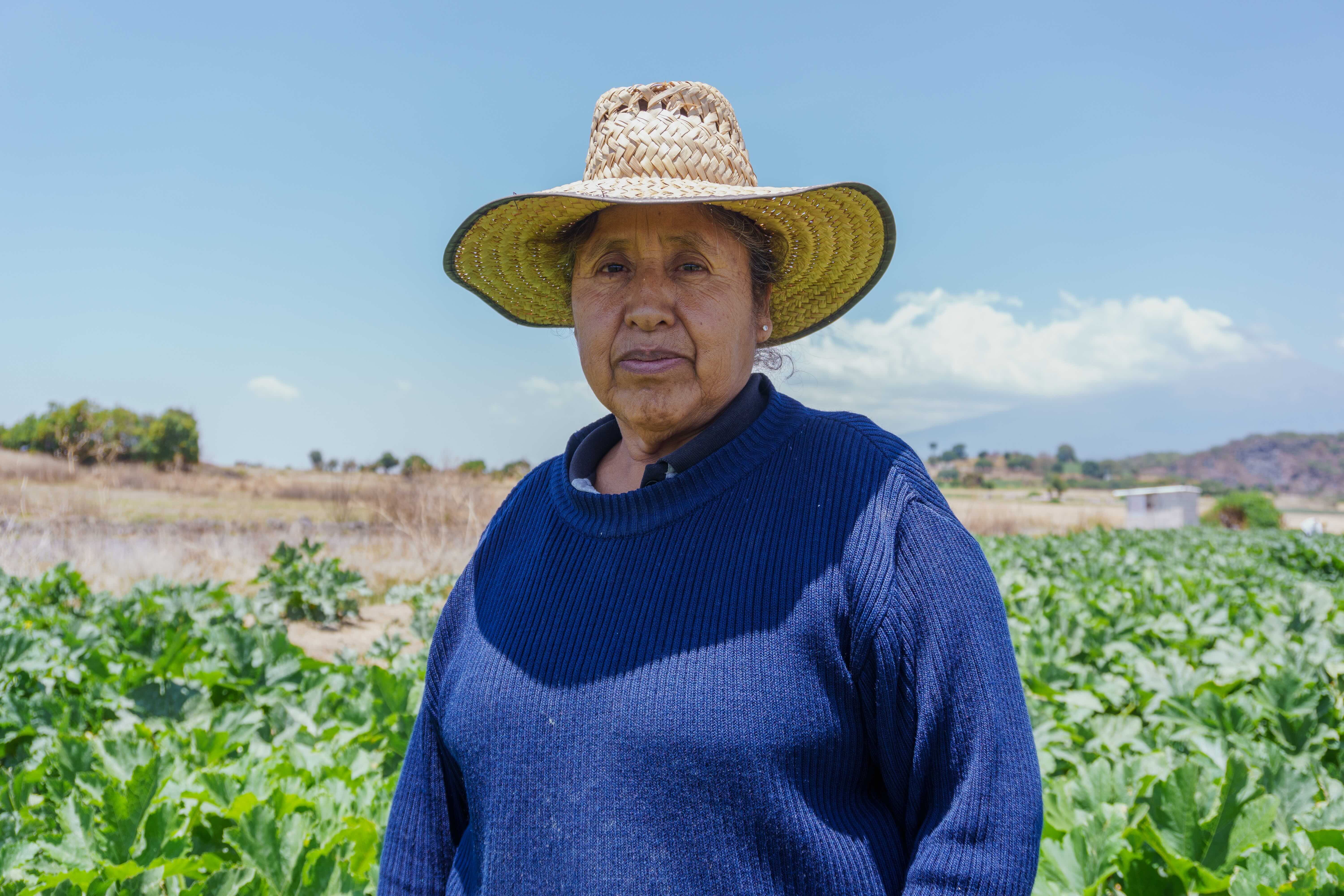
Many immigrants work outdoors in physically demanding jobs like agriculture and construction, and that work doesn't stop when summer heat sets in. The average age of immigrant farm laborers has been steadily rising, and many immigrant farmworkers are still working well past retirement age, often in triple-digit heat. For older workers, extreme heat is genuinely dangerous: as we age, our bodies cool down less efficiently and our sense of thirst becomes less reliable, raising the risk of heat illness.
Fear and eligibility
After a disaster, many older immigrants don't get the help they need. Undocumented immigrants can't receive FEMA cash grants for housing and emergency expenses, and fear of immigration enforcement keeps others from seeking aid they do qualify for. That fear extends beyond undocumented people, since many immigrant families include members with different legal statuses.
Language barriers
Older immigrants who don't speak or read English fluently can struggle to access emergency warnings, evacuation information, and recovery assistance. These gaps hit older adults especially hard, since they often need to plan ahead for medications or mobility needs and may find bureaucratic tasks, like filing an insurance claim, harder to manage.
Access to healthcare
For many immigrants, the healthcare gap widens precisely as they age. Undocumented immigrants are ineligible for Medicare regardless of what they've paid in, and even many documented immigrants can't qualify until they've accumulated ten years of Social Security contributions. Immigrants are also far more likely to be uninsured than U.S.-born adults. Without regular care, chronic conditions like diabetes can go undiagnosed or untreated, and those conditions make extreme heat and other disasters more dangerous. An older immigrant suffering from heat exhaustion may avoid the emergency room altogether because the bill could mean missing rent.
Building resilience together
In the face of systemic shortcomings, mutual aid networks provide emergency preparation and recovery tools to older immigrants across the country. Governments can learn from these community organizations to give older immigrants institutionalized assistance and reduce their vulnerability, one policy at a time.