

Winter Storms and Power Outages: What They Mean for Older Adults
Key Points
- Outages lasting longer than eight hours bring more emergency hospitalizations among adults over 65.
- Winter power outages can disable medical devices and heat, leaving older adults without healthcare and at risk for hypothermia even in homes that are only mildly cool.
- Preparing before a storm by registering with your utility, charging devices, and arranging a backup plan can help you stay safe this winter.
Key Points
- Research what potential hazards may occur in your community.
- Sign up for your county’s emergency alert system.
- Use the questionnaires below to identify your needs during a disaster.
Tools
- Research what potential hazards may occur in your community.
- Sign up for your county’s emergency alert system.
As the days get shorter and temperatures start to drop, many of us are already thinking about the winter ahead. In much of the country, colder months bring snow, ice, and storms that can bring down power lines. When the lights go out, heaters, phones, and medical devices like oxygen concentrators go with them. But what does losing power actually mean for the health of older adults?
A national study from Columbia’s Mailman School of Public Health, published in March 2026 in PLOS Medicine, offers some answers. Earlier research in New York State had suggested a link between outages and hospitalizations, but this is the first study to examine the question using nationwide data.
The Research
Researchers identified power outages across the country in 2018 and compared them with records from 23 million Medicare patients to track daily emergency hospitalizations.
They found that outages lasting longer than eight hours were associated with more emergency hospitalizations for heart and lung disease among adults over 65, with an estimated 4,246 additional hospitalizations in 2018 alone. Respiratory hospitalizations were most likely on the day of an outage, while cardiovascular hospitalizations peaked the day after. The more people affected by an outage, the greater the risk.
It’s important to note that the study looked at outages in all seasons, not just winter, and measured them at the county level rather than for individuals. It shows an association, not proof of cause. Still, the pattern held across the country, which makes it a useful warning for regions where winter weather often means long outages.
Why Winter Adds Risk
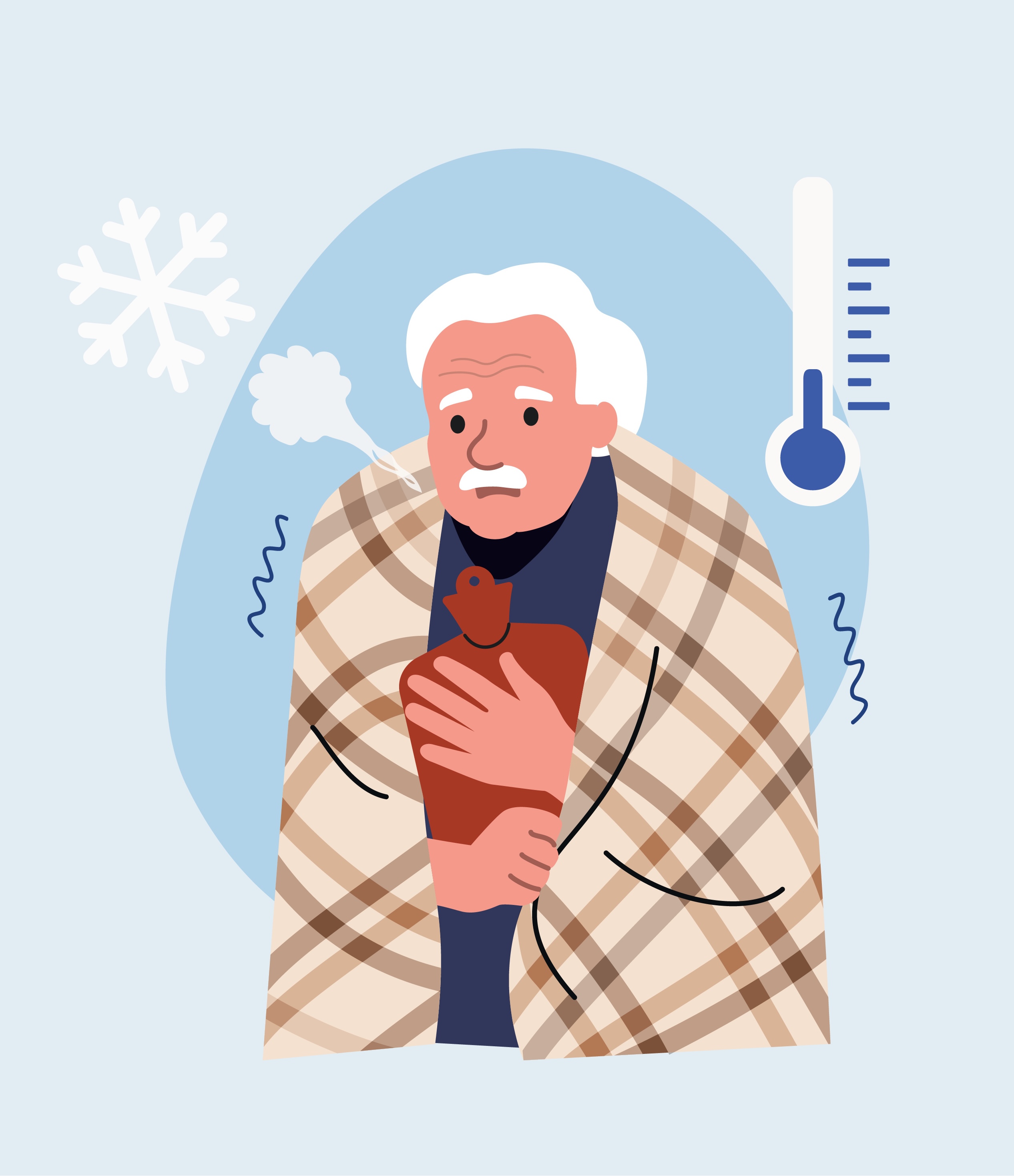
In cold weather, an outage becomes a double threat. When the power goes, the heat often goes with it. According to AARP, several age-related changes add up. People tend to lose muscle as they age, and muscle helps insulate the body and generate heat. Older adults are also more likely to have thinner skin, which lets heat escape more easily, and reduced blood flow. Together, these changes make it harder to regulate body temperature. Conditions that become more common with age, such as diabetes, thyroid problems, and memory loss, can make staying warm even harder.
When the body loses heat faster than it can produce it, hypothermia can set in. This happens when core body temperature drops below 95°F, and it can be life-threatening. The National Institute on Aging notes that older adults can develop hypothermia even in homes that are only mildly cool, around 60 to 65 degrees. Warning signs include shivering, exhaustion, confusion, fumbling hands, memory loss, slurred speech, and drowsiness.
Cold also strains the heart and lungs, the same systems the outage study found most affected. Cold causes blood vessels to narrow, which raises blood pressure. It can also thicken the blood, raising the risk of clots, heart attack, and stroke. Dry, cold air can irritate the airways and worsen conditions like COPD and asthma. Medications can play a role, too, interfering with the body’s ability to regulate temperature.
Prevention at the Grid Level
The study’s authors argue that the biggest opportunity lies upstream, in a more reliable electric grid. In the meantime, backup batteries for medical devices and phones, and generators for heaters and air conditioners, could protect vulnerable individuals.
Preparing for extreme weather means preparing for the loss of the services we depend on. Plans made before a storm arrives, by older adults, caregivers, and neighbors, matter most.
How to Prepare
If a winter storm is in the forecast, there are steps you can take to keep yourself and others safe.
- Register with your utility. If you or a loved one relies on electric medical equipment, ask about your utility’s life-sustaining equipment program. National Grid, for example, adds a household once a medical professional returns a physician form. NYSEG encourages customers to make sure the right mobile number is on file. Registration helps utilities reach you, but it does not guarantee your power will stay on.
- Plan for backup power. NYC Emergency Management recommends an alternate power source, such as a battery backup, and more than one way to make calls (landline, cordless, or cell phone). Charge medical and communication devices before a storm hits.
- Have an oxygen plan. If you use oxygen, talk to your vendor about emergency replacements. If you cannot access oxygen, call 911.
- Stay warm. The NIA recommends keeping your thermostat at 68 to 70 degrees. If the heat goes out, layer clothing or move to a warmer place, such as a friend’s home or a local warming center.
- Use generators safely. Always run generators outdoors to prevent deadly carbon monoxide buildup.
- Check on neighbors. Older adults who live alone are often the least able to ask for help. A quick phone call during or after a storm can make a real difference.
For more information on winter weather and power outages, take a look at these sources:
Cold Weather Safety for Older Adults (National Institute on Aging)
Life-Sustaining Equipment Program (National Grid)
Storm Preparedness (NYSEG)